These two destinations come up in the same planning conversation often enough that the comparison deserves a clear answer. A Kenya vs Botswana safari is not a choice between good and better. It is a choice between two fundamentally different kinds of African experience. The landscapes, wildlife concentrations, camp sizes, price points, and the feel of a day in the bush all differ in ways that matter when you are deciding where to go.
This article covers the key differences: wildlife, costs, logistics, experience style, and which destination actually suits your situation.
Quick Comparison at a Glance
| Factor | Kenya | Botswana |
|---|---|---|
| Primary draw | Great Migration, Big Five, Masai Mara | Okavango Delta, Moremi, Chobe |
| Safari style | Vehicle drives, balloon, walking | Vehicle, mokoro canoe, boat, walking |
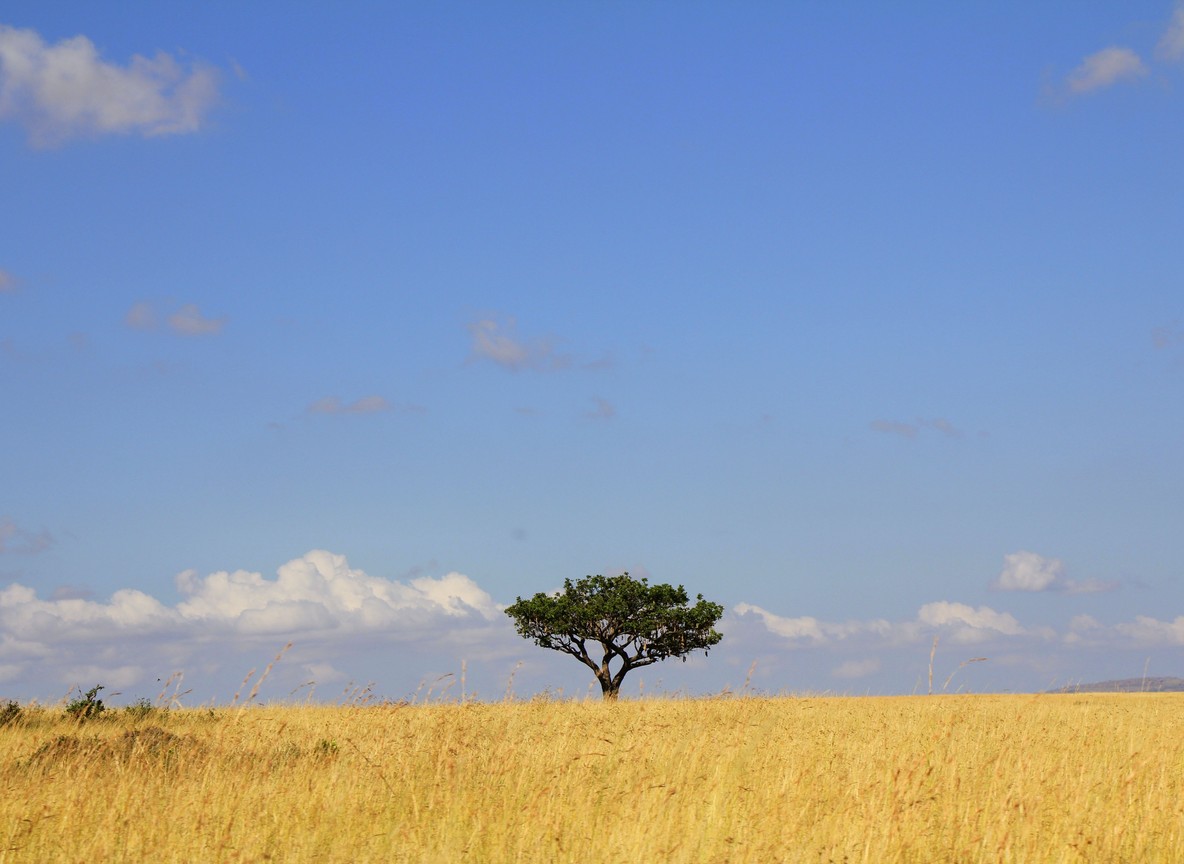
| Landscape | Open savannah, acacia plains, Rift Valley | Delta waterways, floodplains, Kalahari |
| Wildlife volume | Very high density during peak season | Moderate density, exceptional quality |
| Crowd levels | Moderate to high at Masai Mara | Very low (government-mandated bed limits) |
| Daily cost range | $300 to $2,000+ per person | $800 to $3,000+ per person (all-inclusive) |
| Best suited to | First-time safari, families, varied budgets | Repeat Africa travelers, exclusive experiences |
| Natural combination | Kenya coast or Zanzibar beach | Victoria Falls, Zimbabwe |
| Accessibility | Direct flights from major international hubs | Most travelers connect through Johannesburg |
Wildlife: Two Different Stories
Kenya: Volume, Variety, and the Migration
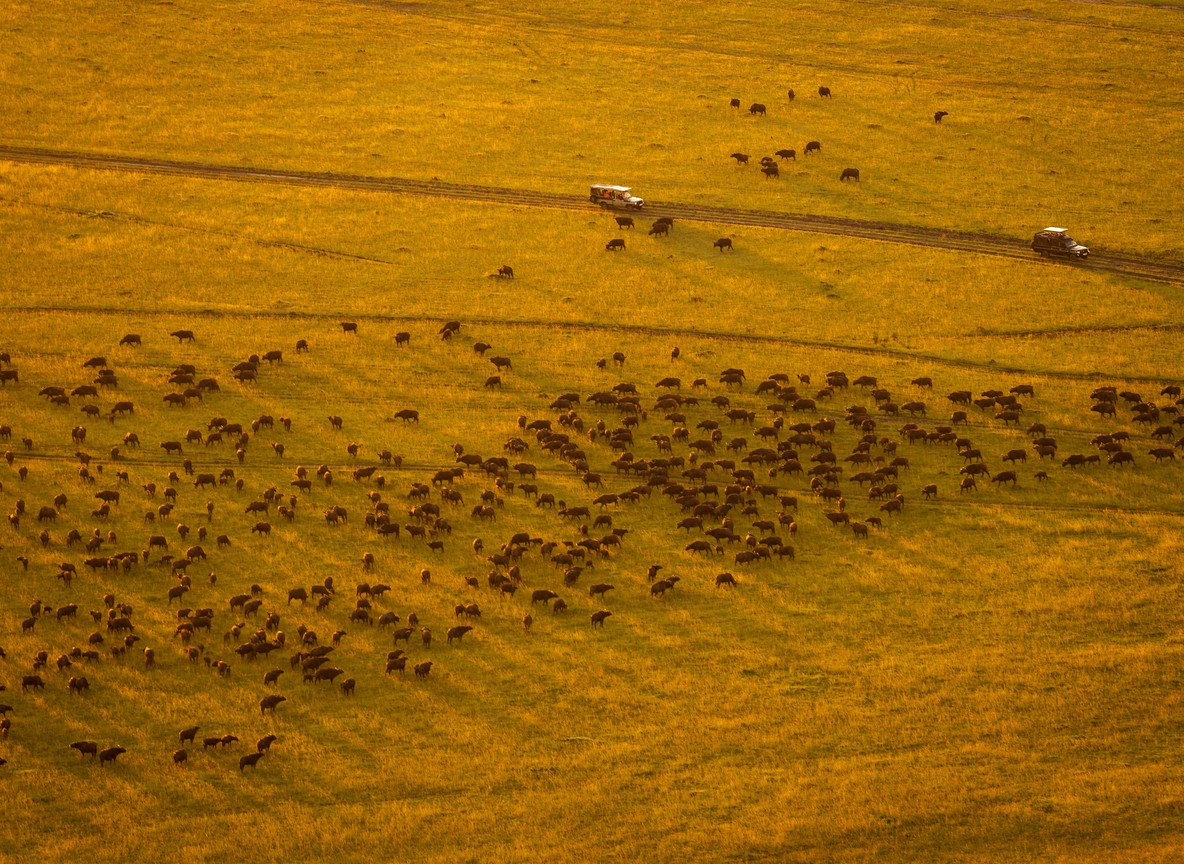
Kenya’s wildlife offer is anchored by the Big Five across multiple distinct ecosystems. The Masai Mara National Reserve delivers peak concentration during the Great Migration from July to October, when over 1.5 million wildebeest cross from Tanzania’s Serengeti into the Mara. This annual crossing is the most dramatic seasonal wildlife event on the continent.
Beyond the Mara, Kenya adds genuine breadth. Amboseli supports large free-roaming elephant herds with Kilimanjaro visible behind them. Samburu hosts the Samburu Special Five: Grevy’s zebra, reticulated giraffe, Somali ostrich, Beisa oryx, and gerenuk, species found nowhere else in East Africa. Lake Nakuru is a significant rhino and flamingo habitat. A 10-day Kenya circuit can cover several ecosystems without repeating a single landscape type.
Botswana: Exclusivity and the Water Wilderness
Botswana’s experience is built around depth rather than variety. The Okavango Delta is one of the world’s largest inland delta systems, a network of papyrus channels, lagoons, and palm-fringed islands with dense wildlife populations. Most guests arrive by light aircraft to remote tented camps, where day and night game drives, guided bush walks, boat safaris on open channels, and mokoro (dugout canoe) rides through water lilies all feature as standard activities.
The wildlife quality is exceptional. Botswana holds one of Africa’s largest elephant populations; Chobe National Park is known for herds numbering in the thousands. Wild dog sightings are considerably more frequent here than in Kenya. Lions, leopards, and cheetahs are all present. The defining difference from Kenya is the near-absence of competing vehicles at any sighting. Being the only vehicle watching a predator hunt is not unusual.
Kenya vs Botswana Safari: What You Will Pay
Kenya Costs
Kenya accommodates a wider range of budgets than almost any other safari destination:
- Budget: $150 to $250 per person per day
- Mid-range: $300 to $600 per person per day
- Luxury: $700 to $2,000 or more per person per day
Park fees at Masai Mara run around $80 per day for adults, with conservancy fees adding $40 to $120 on top. Domestic flights to the parks range from $150 to $250 one way. A 7-night Kenya safari can cost anywhere from $2,000 to $15,000 or more per person depending on the accommodation tier.
Botswana Costs
Botswana operates as a deliberately premium destination. The government caps the number of tourist beds and charges high concession fees to keep visitor volumes low. There is no budget-tier option in the Okavango Delta.
- Mid-range: $700 to $1,200 per person per day (fully inclusive)
- Luxury: $1,500 to $3,500 or more per person per day (fully inclusive)
Most Botswana camps run all-inclusive packages covering accommodation, all meals, game activities, and park fees. A 7-night Delta safari typically costs between $6,000 and $20,000 or more per person. The premium reflects a deliberate high-value, low-volume conservation model rather than pure luxury positioning. What that package price leaves out is fairly consistent across both countries: international flights, visa fees, travel insurance, alcoholic drinks at most (though not all) properties, gratuities for guides and camp staff, and optional extras like a scenic flight or spa treatment. Kenya adds one line Botswana mostly avoids: park and conservancy entry fees are commonly charged separately per property rather than folded into a single rate.
Getting There and Getting Around
Kenya
- International hub: Nairobi’s Jomo Kenyatta International Airport carries direct flights from London, Amsterdam, Dubai, Doha, and other major hubs.
- Internal flights: Frequent domestic departures from Wilson Airport reach the Masai Mara in 45 minutes, Amboseli in 35, and Samburu in roughly an hour.
- Road access: The Mara is 5 to 7 hours from Nairobi by road, or 45 minutes by air. Self-drive is practical at certain parks such as Amboseli and Tsavo for experienced off-road drivers.
- Visa: Kenya eTA (Electronic Travel Authorization) is processed online before travel.
Botswana
- International hub: Most international travelers transit through Johannesburg to reach Maun (the Okavango Delta gateway) or Kasane (for Chobe).
- Internal flights: Light aircraft charters from Maun reach individual camps in 15 to 45 minutes.
- Road access: Some parks are accessible by 4WD road, but Okavango Delta camps require light aircraft. Self-drive is not viable for the remote Delta zones.
- Visa: Botswana is visa-free for many nationalities including UK, US, and EU citizens. Check current entry requirements before booking.
How Each Safari Feels Day to Day
Kenya
Kenya game drives are sociable and accessible. At Masai Mara, particularly during peak season, you will share sighting areas with other vehicles. The game viewing is extraordinary, but the experience is open rather than exclusive. Cultural richness adds meaningful dimension beyond the bush: Maasai community visits, Nairobi’s restaurant scene, the Kenya coast, and Lamu Island all extend what a Kenya trip can include. The country’s guides, camps, and infrastructure have been refined over many decades. Even mid-range properties deliver a genuinely strong experience.
Botswana
Botswana is deliberately quiet. A full day in the bush without seeing another tourist vehicle is common. Camps typically hold 8 to 12 guests. Guides build detailed knowledge of individual animals in the immediate area, and the activity range goes well beyond vehicles: guided bush walks at first light, boat safaris on open delta channels, and mokoro gliding through still water are all standard. The immersive seclusion of Botswana is difficult to replicate anywhere else.
Which Destination Fits Your Trip
Choose Kenya if you:
- Are on your first or second African safari
- Want maximum wildlife variety across each day in the field
- Are working with a mid-range or flexible budget
- Are traveling with children or a multi-generation group
- Have the Great Migration as a trip priority
- Have 5 to 10 days available
- Want to add a beach stay at the Kenya coast or Zanzibar
Choose Botswana if you:
- Have already completed a Kenya or other African safari
- Want fewer species but deeper, more exclusive encounters
- Have budget for a fully inclusive premium experience
- Are traveling as a couple or small adult group seeking seclusion
- Have the Okavango Delta water wilderness as your main goal
- Have 10 to 14 days to justify the long-haul logistics
- Want to combine the safari with Victoria Falls or Zimbabwe
Combining Both Countries
A Kenya and Botswana itinerary works well for travelers with 14 to 21 days available. A typical routing:
- Days 1 to 5: Masai Mara, Kenya. Great Migration, Big Five, conservancy game drives.
- Days 6 to 7: Nairobi or connecting flight through Johannesburg.
- Days 8 to 11: Okavango Delta, Botswana. Mokoro rides, guided bush walks, remote tented camp.
- Days 12 to 14: Chobe National Park, Botswana. Elephants, boat safaris on the Chobe River.
Most routings connect through Nairobi or Johannesburg to reach Maun. The combination covers two of Africa’s most distinct safari environments in a single trip.
Explorer Notes
Malaria risk. Both Kenya (Masai Mara and most game reserves) and Botswana are malaria zones. Consult a travel health clinic before departure and follow current prophylaxis advice. Risk varies by season and by specific location within each country.
When to go. Kenya’s peak season runs July to October, when the dry conditions and the Migration make for the highest wildlife concentrations. The green season from November to June offers lower prices and far fewer visitors, though some tracks become difficult after heavy rain. Botswana’s dry season from May to October concentrates wildlife around water sources and offers the best general game viewing. The Delta flood peaks between June and August, which is the prime window for mokoro and boat activities.
Self-drive vs fly-in. Kenya is one of the few safari destinations where self-drive is genuinely practical at selected parks for experienced drivers. Amboseli and Tsavo are the most straightforward options. The Masai Mara is easier by fly-in. Botswana’s Delta camps are fly-in only; the logistics do not support self-drive access to the remote zones.
First safari vs repeat traveler. Kenya is the stronger starting point. It offers the broadest wildlife diversity, the most varied price range, and simpler logistics. Botswana rewards travelers who have already seen the Big Five and are ready for a different kind of experience entirely.
Conclusion
Kenya and Botswana each represent a distinct version of what African safari can mean. Kenya is the accessible, high-variety, high-density starting point: dramatic, culturally layered, and achievable across a range of budgets. Botswana is the quiet, premium, immersive alternative, a wilderness where the absence of crowds is the point rather than a side benefit.
Most travelers who do both come away saying the experiences are not comparable. They are complementary. The question is only which one to do first.
Have questions about this itinerary or destination? Get answers from a safari specialist before you commit.
Inquire MoreFurther reading
More safari planning resources
- Interactive Maasai Mara map from Valley Safaris
- Masai Mara destination guide on FindMySafari
- Wildebeest migration route map from Valley Safaris
- Great Migration safari collection on FindMySafari